
Condensate Return Systems Guide
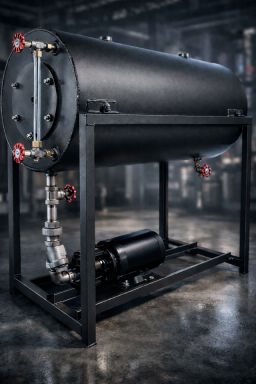
A condensate return system collects hot condensate and feeds boilers automatically when more water is needed to generate steam. These systems use a return tank, float assembly, and pump to maintain boiler water levels and support consistent steam production.
Condensate return systems are widely used in dry cleaning plants, commercial laundries, manufacturing facilities, and mechanical boiler rooms. Recovering condensate improves boiler efficiency, reduces water consumption, and helps protect pumps from short cycling.
How a Condensate Return System Works
Our systems are designed to feed boilers when the boiler needs more water to generate steam. Any steam that is left over in the process is returned back into the system where the hot water condensate is collected.
That condensate is stored in the return tank until the water level rises enough to activate the float assembly and pump. The pump then sends the condensate back to the boiler so the system can continue operating efficiently.
Key Components of a Condensate Return System
- Return tank
- Stand
- Float assembly
- Gauge glass with fixtures
- Burks pump
Horizontal Condensate Return Systems
Horizontal condensate return systems use a return tank mounted beneath the pump. These systems are commonly used in boiler rooms where a horizontal layout is preferred.
They are widely installed in dry cleaning plants and commercial boiler rooms where condensate from multiple machines returns to a central tank.
Browse available condensate return systems here.
Vertical Condensate Return Systems
Vertical condensate return systems are designed primarily for space saving. They provide a more compact layout for boiler rooms where floor space is limited but condensate recovery is still required.
Vertical systems are often selected when a smaller footprint is more important than a longer horizontal tank layout.
Browse available condensate return systems here.
How to Size a Condensate Return System
A condensate return system should be sized based on boiler horsepower and condensate return rate. If the tank is too small, the pump may short cycle. If the tank is too large, the system may occupy unnecessary floor space.
Most systems are sized to provide adequate return tank capacity while maintaining proper pump performance.
Use our tools and calculators here.
Boiler Feed Pumps in Condensate Systems
The pump moves condensate from the return tank back to the boiler. Boiler feed pumps must handle system pressure and condensate temperature.
Many systems use industrial Burks pumps designed specifically for boiler feed and condensate applications. You can browse our CT Series pumps and CS Series pumps for common condensate return and boiler feed applications.
Are There Replacement Tanks Available?
Yes. Replacement return tanks are available for existing condensate return systems when the original tank has rusted, failed, or needs to be replaced.
Browse available return tanks here.
Are There Replacement Parts Available?
Yes. Replacement parts are available for many condensate return systems, including common return tank components and related hardware.
Benefits of Condensate Recovery
- Reduced boiler makeup water
- Improved energy efficiency
- Lower chemical treatment costs
- Reduced water consumption
- Improved boiler reliability
Industries Using Condensate Return Systems
- Dry cleaning plants
- Commercial laundries
- Food processing plants
- Hospitals and institutions
- Manufacturing facilities
- Commercial boiler rooms
Additional Steam System Resources
More information on condensate recovery can be found at Spirax Sarco steam engineering resources.
Related Equipment and Tools
Continue to related product pages for systems, return tanks, pumps, tools, and boiler room resources.